
Introduction
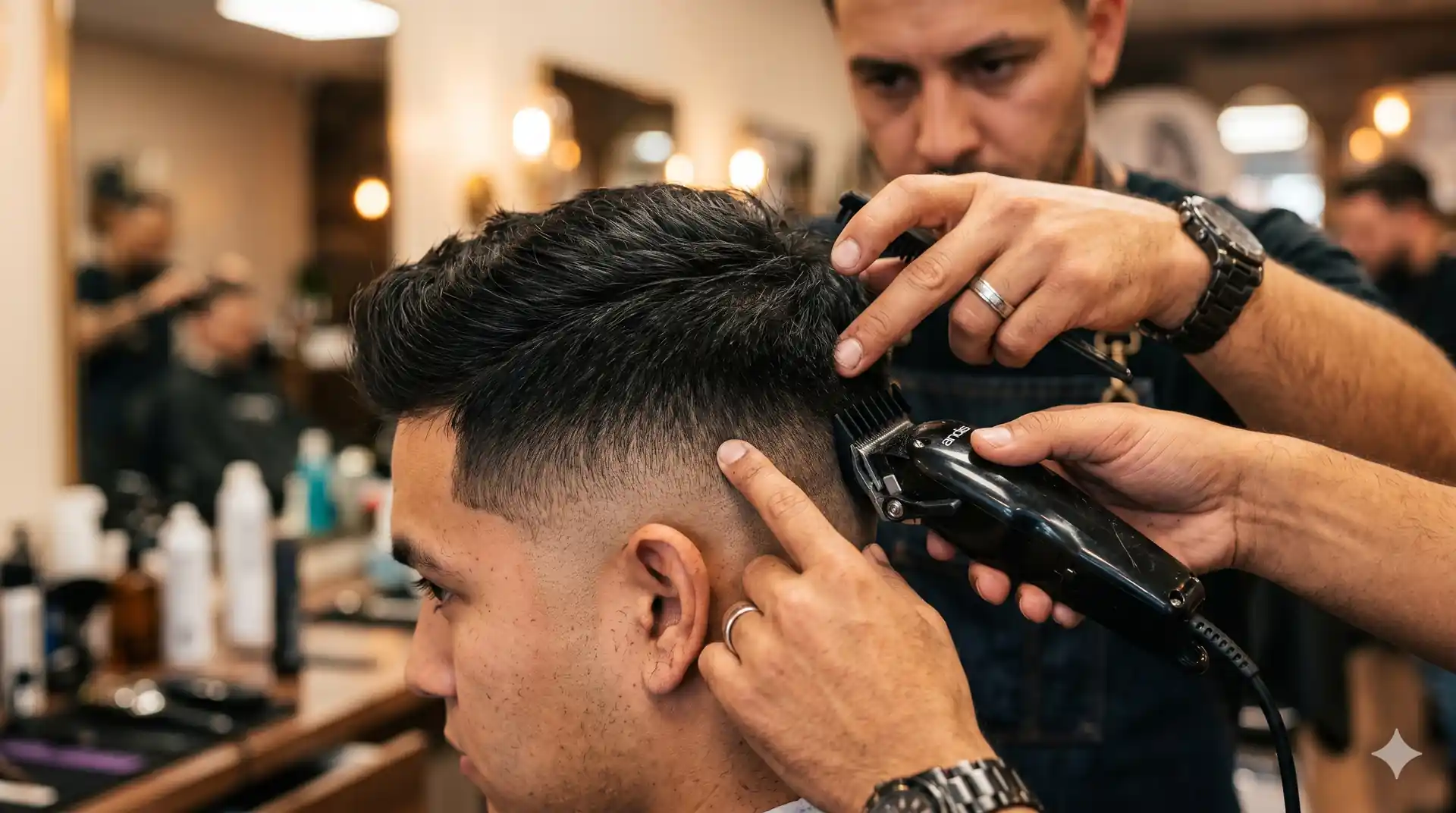
The taper fade haircut remains one of the most versatile and professional men's hairstyles heading into 2026. Unlike sharper fade styles that create high-contrast lines, a taper fade offers a smooth, gradual transition from longer hair on top to progressively shorter hair on the sides and back. This timeless approach has dominated barbershops for decades and continues to evolve with modern styling trends.
Whether you're looking for a subtle, sophisticated look or a more defined fade, understanding the taper fade and its variations is essential. This comprehensive guide will teach you everything you need to know about taper fades—from what makes them different from other fade types to exactly how to ask your barber for the perfect cut.
What is a Taper Fade?
A taper fade is a haircut technique where the hair gradually decreases in length from the top of the head down to the nape of the neck and around the ears. The key distinction is the word "gradual"—a taper fade features soft, blended lines rather than the sharp transitions you might see in other fade styles.
The term "taper" specifically refers to the gradual narrowing of the hair. Think of it like the taper of a candle—thick at the base, getting progressively thinner toward the tip. In a taper fade, the sides narrow down smoothly, creating a professional, clean appearance.
Taper Fade vs. Other Fade Types
Understanding the differences between fade variations is crucial for communicating with your barber:
| Fade Type | Transition Speed | Contrast Level | Best For | Maintenance |
|---|---|---|---|---|
| Taper Fade | Gradual & Smooth | Low to Medium | Professional, classic look | Every 3-4 weeks |
| Skin Fade | Very Sharp | High (skin visible) | Edgy, modern aesthetic | Every 2-3 weeks |
| Low Fade | Gradual | Low | Conservative professionals | Every 3-4 weeks |
| High Fade | Gradual | Medium | Trendy, youthful | Every 2-3 weeks |
| Burst Fade | Gradual (circular) | Medium | Modern, distinctive | Every 2-3 weeks |
The taper fade sits comfortably in the middle—it's cleaner and more defined than a traditional taper cut, but more subtle and maintenance-friendly than a skin fade.
Types of Taper Fades
Low Taper Fade
The low taper fade starts very close to the ears and nape, creating a subtle transition. The fade line begins around ear level and gradually blends upward. This variation is:
- Perfect for conservative professional environments
- Ideal for men who prefer a subtle, understated look
- Easy to maintain between barber visits
- Flattering on most face shapes
- The least dramatic of all taper fade variations
Best for: Business professionals, older men, those seeking a classic barbershop look.
Mid Taper Fade
The mid taper fade offers a balanced middle ground, starting the fade at approximately the middle of the ear. This is perhaps the most versatile taper fade variation because it:
- Provides definition without being too bold
- Works well with various hair types and textures
- Complements most hairstyles on top
- Offers excellent versatility for different occasions
- Requires moderate maintenance (every 3-4 weeks)
Best for: Men seeking balance, most professional settings, everyday casual wear.
High Taper Fade
The high taper fade starts the fade much higher, closer to the temple area. This creates:
- Maximum contrast between top and sides
- A more youthful, fashion-forward appearance
- More defined edge work
- Greater visual impact
- Need for more frequent touch-ups (every 2-3 weeks)
Best for: Younger men, creative professionals, those wanting a more distinctive look.
Skin Taper Fade
A skin taper fade (also called a skin fade taper) takes the fade all the way down to bare skin on the lowest portions. This variation:
- Provides the sharpest, cleanest transition
- Creates maximum contrast and definition
- Requires the most maintenance and skill to execute
- Works best with shorter hair on top
- Demands frequent visits (every 2-3 weeks)
Best for: Men with thick, strong hair growth, those wanting an ultra-modern look, fashion-conscious individuals.
Natural Taper Fade
A natural taper fade emphasizes the wearer's natural hair growth pattern rather than creating artificial lines. This style:
- Follows your natural hairline and growth
- Requires less frequent maintenance
- Creates a relaxed, organic appearance
- Works especially well for men with wavy or textured hair
- Avoids overly sharp edges or defined lines
Best for: Men with curly or wavy hair, those seeking a more relaxed aesthetic, natural texture enthusiasts.
Which Face Shapes Suit Taper Fades?
One advantage of taper fades is their versatility across different face shapes. However, subtle adjustments to the fade placement can enhance your natural features:
Oval Faces
Taper fades look excellent on oval faces because this face shape is naturally balanced. An oval face can pull off any taper fade variation—low, mid, or high—without concerns about proportion.
Recommendation: Experiment with different fade heights to find your personal style.
Round Faces
For round faces, a higher taper fade creates the illusion of length and angularity. Keeping more length on top and fading higher on the sides helps elongate the face.
Recommendation: Mid to high taper fade with textured, voluminous hair on top.
Square Faces
Square faces benefit from a low to mid taper fade that emphasizes the strong jawline. Keep the sides slightly longer to soften angular features while maintaining definition.
Recommendation: Low to mid taper fade with longer hair on top for balance.
Rectangular Faces
Rectangular faces need visual width, so a mid taper fade works best. Avoid extremely high fades, which can make the face appear longer.
Recommendation: Mid taper fade with textured top, avoiding extreme height variations.
Diamond Faces
Diamond faces (narrow at forehead and chin, wide at cheekbones) benefit from a mid taper fade with fuller hair on the sides relative to the top.
Recommendation: Mid taper fade with appropriate volume on sides to balance the cheekbones.
How to Style and Maintain a Taper Fade
Daily Styling
A well-executed taper fade requires minimal daily styling:
- Wash: Use warm water and a quality shampoo designed for men's hair
- Dry: Pat dry with a towel; avoid excessive heat
- Apply product: Use a light pomade, clay, or texture spray
- Style: Brush or comb hair in your desired direction
- Finish: Let hair dry naturally or use a blow dryer on low heat
Maintenance Schedule
- Weeks 1-2: Your cut looks sharp; minimal maintenance needed
- Week 3: Schedule your barber appointment
- Week 4+: Schedule immediately; the fade will start appearing grown out
General rule: Visit your barber every 3-4 weeks for a taper fade (every 2-3 weeks for high fades or skin fades).
At-Home Care
- Use a quality trimmer with adjustable guards for spot touch-ups
- Never attempt to fade your own hair without proper training
- Keep hair clean and moisturized with a quality conditioner
- Use beard oil or light pomade to keep edges defined
How to Ask Your Barber for a Taper Fade
The Exact Words to Use
When sitting in the barber's chair, be specific:
"I'd like a [low/mid/high] taper fade with about [length] on top. I want a gradual, smooth transition rather than sharp lines."
Detailed Conversation Guide
Open with: "I want a taper fade for this cut."
Then specify:
- Fade height: "I prefer a low/mid/high taper fade"
- Top length: "Keep about 2-3 inches on top" (or whatever length you prefer)
- Transition style: "I want a smooth, gradual blend—not a sharp fade"
- Sides: "Fade the sides down gradually; I don't want them too short"
- Neckline: "Clean up the neckline but keep it natural"
If unsure: Ask your barber to show you variations on the sides. A good barber will understand what you're looking for.
Bringing a Reference Photo
The most effective communication method is showing your barber a photo of exactly what you want. Look for pictures that show:
- The fade height you prefer
- The texture and length on top
- The overall shape and proportions
Best Hair Products for Taper Fades
Pomades
Water-based pomades are ideal for taper fades because they:
- Provide a natural shine without looking greasy
- Wash out easily with water
- Offer light to medium hold
- Work well for smoothing and styling
Top picks: Baxter of California, Cavalier, Lockhart's
Clay and Texture Products
Hair clays create a more matte, textured appearance:
- Provide medium to strong hold
- Create a more natural, less polished look
- Work best on shorter hair
- Great for modern, casual styling
Top picks: Reuzel, Oribe, StylingFactor
Paste and Fiber
Hair pastes offer:
- Strong hold with textured separation
- Low shine for a natural look
- Easy application and reworkability
- Excellent for men with thick hair
Top picks: Americana, Blumaan Flagship, Layrite
Styling Tips by Product
- For a polished look: Use pomade with a comb
- For a casual vibe: Use clay or paste with your fingers
- For texture: Use a texture spray or dry paste
- For hold: Use a strong-hold gel (though less recommended for taper fades)
FAQ: Taper Fade Questions Answered
Q: How long should I wait before my first trim after a fresh taper fade?
A: Most men should wait 3-4 weeks for the first trim. However, if you got a very high or skin fade, visit after 2-3 weeks to maintain sharpness.
Q: Can I get a taper fade if I have curly hair?
A: Absolutely. A taper fade works beautifully with curly hair. Ask your barber for a "natural taper fade" that works with your curl pattern rather than against it.
Q: What's the difference between a taper and a fade?
A: A taper is the gradual narrowing of hair length. A fade is specifically the bottom portion with very short hair. You can have a taper without a fade, or a taper fade that combines both.
Q: How much does a taper fade haircut cost?
A: Prices vary by location and barber skill, but expect $20-50 in most areas. Premium barbershops in major cities may charge $60+.
Q: Can I ask for a taper fade with a specific line design?
A: Yes. Many barbers can add designs or defined lines into a taper fade. Show your barber what you want, and they can customize it.
Q: Is a taper fade good for thin or receding hair?
A: Yes, especially a low taper fade. Fading the sides shorter can make hair appear thicker on top and is a flattering option for men with hair loss concerns.
Q: How do I describe a taper fade to a new barber?
A: Bring a photo, or say: "I want a gradual, smooth fade from longer hair on top to shorter sides and back—not sharp lines, but a natural taper."
Conclusion: The Timeless Taper Fade
The taper fade haircut remains a cornerstone of modern men's grooming because it's professional, versatile, and flattering across virtually all face shapes and hair types. Whether you choose a subtle low taper fade for the boardroom or a bolder high taper fade for a more fashion-forward look, this classic style never goes out of fashion.
Ready to make your move? Schedule an appointment with a skilled barber, bring a reference photo, and ask for your taper fade today. With regular maintenance every 3-4 weeks and the right styling products, you'll look sharp year-round.
What's your preferred taper fade variation? Share your experience in the comments below!
Try the Taper on Your Own Photo
Still choosing between variations? The taper fade preview tool shows the cut on your own photo in about 30 seconds — a low-stakes way to check it suits your face before the appointment. More styles are in BaldFade's AI preview tool.